- 20 Jan, 2026
Best Serengeti Holiday Dates to See the Great Migration
The Great Migration in the Serengeti is one of the world’s most extraordinary wildlife events. Every year, over 1.5 million wildebeest, accompanied by zebras and gazelles, move across the Serengeti ecosystem in search of fresh grazing. Choosing the right holiday dates is essential if you want to experience this natural spectacle at its best.
Unlike many wildlife events, the Great Migration happens all year round, but its location and highlights change from month to month. Below is a clear guide to help you plan the perfect Serengeti safari holiday.
December to March – Calving Season (Southern Serengeti)
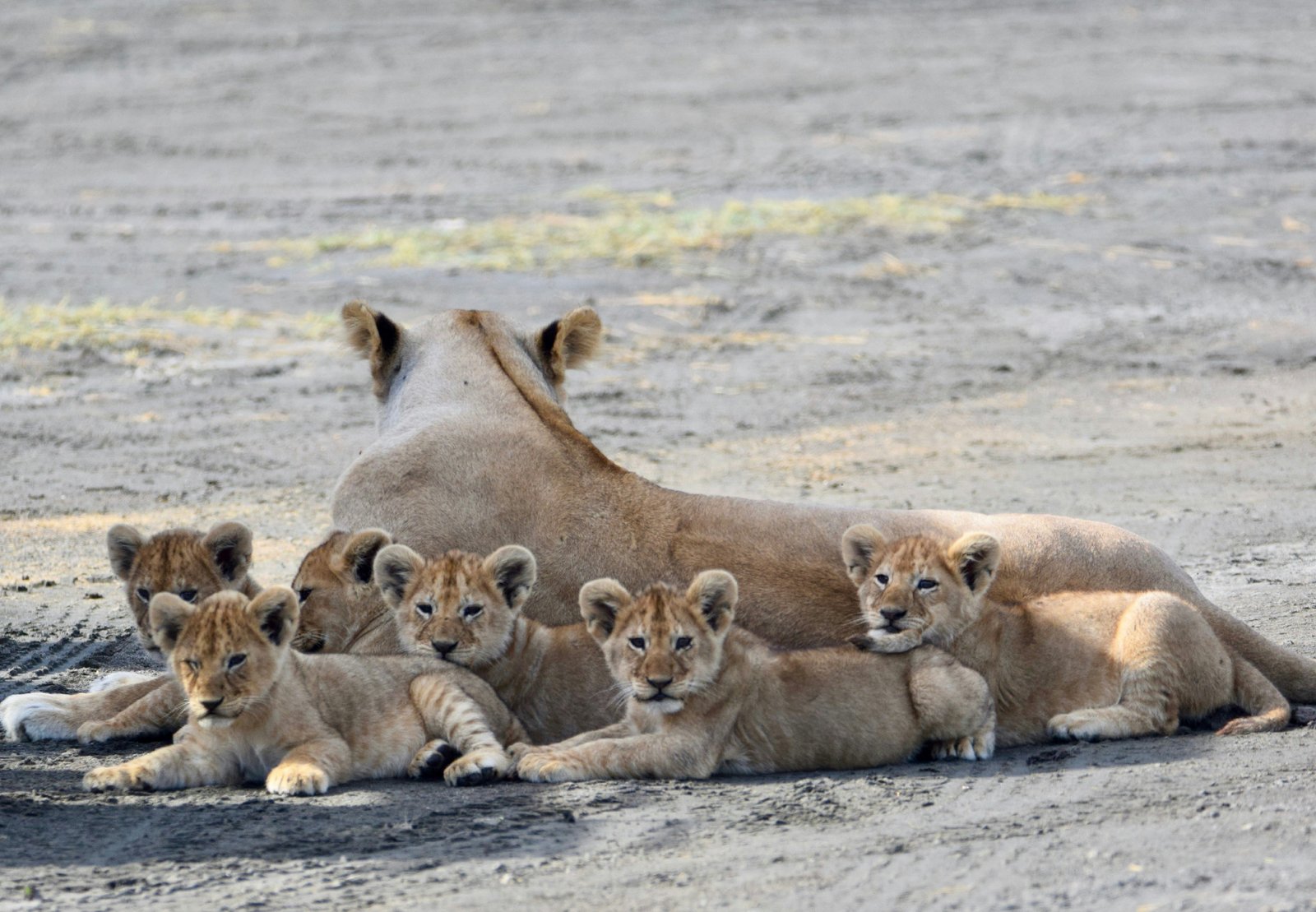
From December through March, the herds gather in the southern Serengeti and Ndutu plains. This period is famous for the calving season, when hundreds of thousands of wildebeest calves are born within a short time. With so many newborns, predators such as lions, cheetahs, and hyenas are highly active, making this one of the most dramatic safari periods.
This season is ideal for travelers who want intense wildlife action, beautiful open landscapes, and excellent photography opportunities. The grass is short, visibility is high, and game viewing is exceptional.
Best months: January and February
April to May – Green Season and Migration Movement
During April and May, the long rains transform the Serengeti into a lush green paradise. The herds begin moving north and west, spreading out across the plains. While rain showers can occur, wildlife viewing remains rewarding, and the scenery is at its most vibrant.
This is a great time for travelers who prefer fewer crowds, discounted lodge rates, and a quieter safari experience. Photographers love this season for its dramatic skies and fresh landscapes.
Best for: Green scenery, peaceful safaris, and value travel
June to July – Grumeti River Crossings (Western Serengeti)
By June and July, the migration reaches the western Serengeti, where the herds face their first major challenge crossing the Grumeti River. These crossings are thrilling, with large crocodiles waiting in the water and predators nearby.
This period marks the start of the peak safari season and offers excellent all-round wildlife viewing, including large predator populations.
Best months: Late June and July
August to October – Mara River Crossings (Northern Serengeti)
The most famous scenes of the Great Migration occur between August and October in the northern Serengeti. Here, thousands of wildebeest gather at the banks of the Mara River, building tension before dramatic crossings filled with splashes, dust, and powerful survival moments.
This is considered the best time to visit the Serengeti if river crossings are your top priority. Wildlife density is high, predator sightings are frequent, and the safari experience is unforgettable.
Best months: August and September
November – Migration Returns South
In November, short rains trigger fresh grass in the southern Serengeti, and the herds begin their journey back south. This transitional period still offers excellent wildlife viewing, fewer visitors, and pleasant travel conditions.
Best Time to Visit Serengeti for the Great Migration – Quick Summary
January–March: Calving season and predator action
April–May: Green landscapes and fewer crowds
June–July: Grumeti River crossings
August–October: Iconic Mara River crossings
November: Migration moving south
Final Thoughts
There is no wrong time to see the Great Migration in the Serengeti only different experiences depending on the season. Whether you dream of witnessing newborn wildebeest, dramatic river crossings, or endless herds stretching across the plains, choosing the right holiday dates will ensure an unforgettable safari adventure.
Planning your Serengeti safari around the Great Migration guarantees one of Africa’s most powerful and emotional wildlife encounters a true bucket list experience.